Creating Change
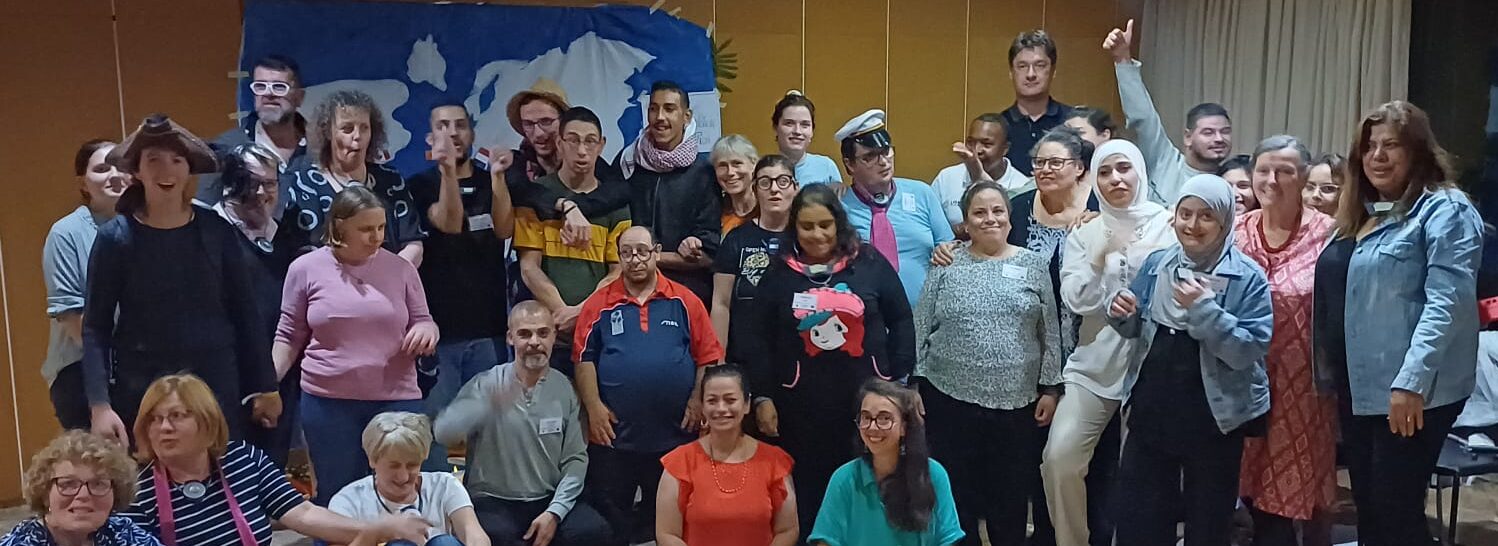
TwidSA is a dynamic project working to create inclusive international spaces where youth with intellectual disabilities are learning advocacy and leadership skills. By integrating intercultural dialogue and digital participation, this exciting initiative is strengthening youth engagement, addressing stigma, and helping to build future leaders of inclusion across Europe and the Middle East.
Social Impact
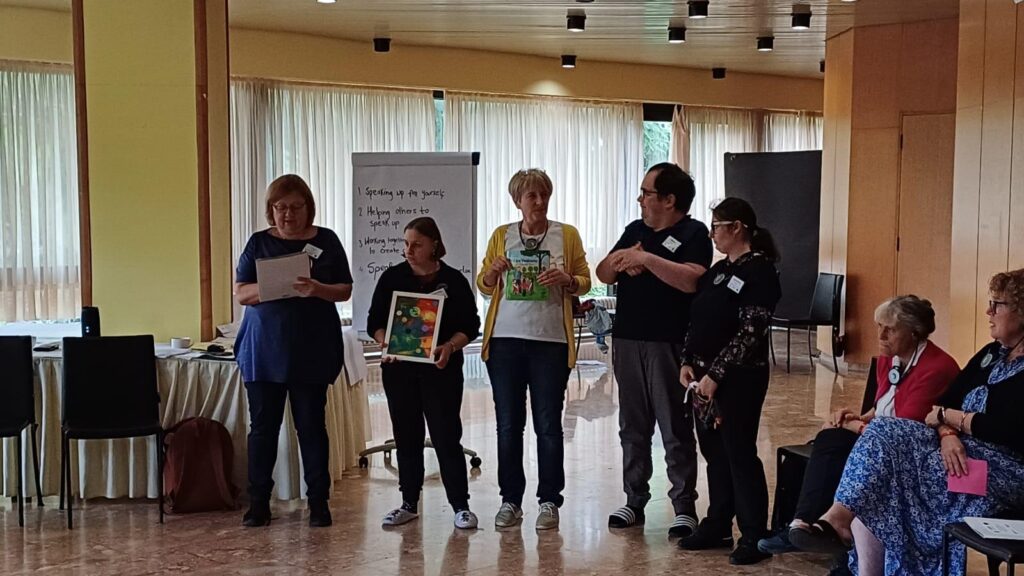
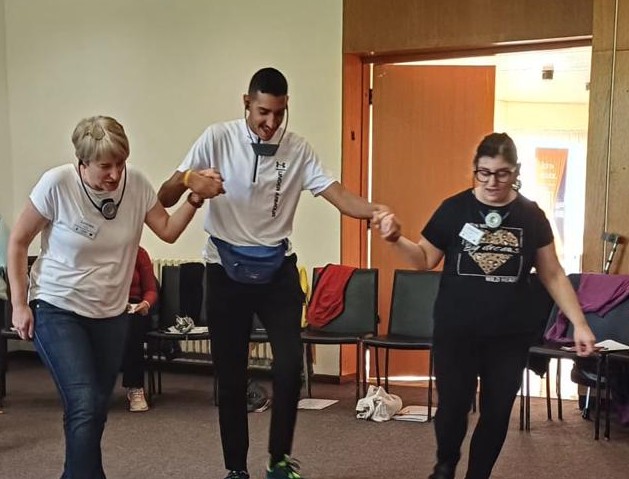
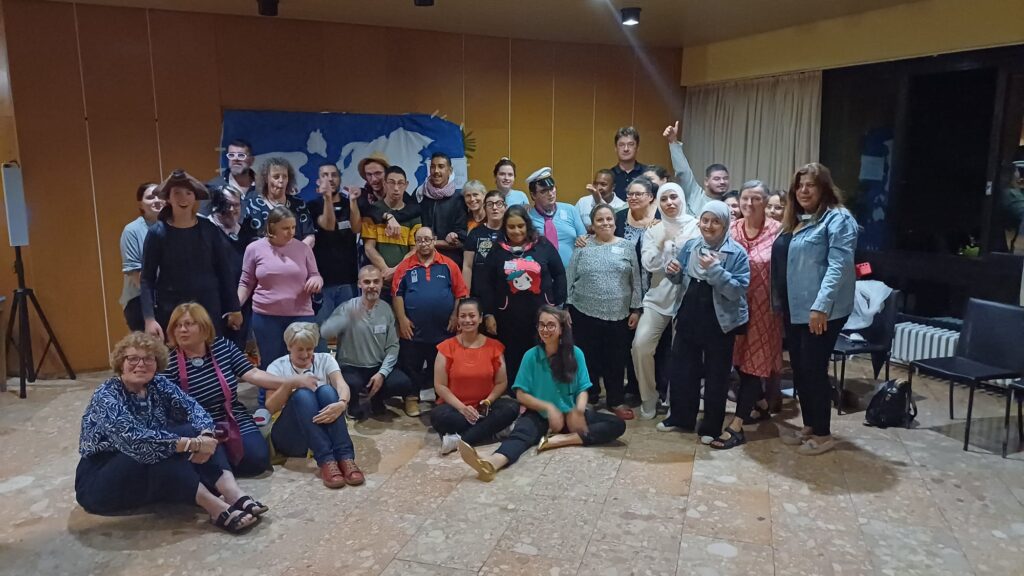
TwidSA is bringing together youth with and without intellectual disabilities from Croatia, France, Palestine, and Egypt to strengthen self-advocacy and intercultural dialogue for understanding and inclusion. The project empowers participants to become active voices for social change within their communities.
Supported by
Program Reach
We were from different countries, with different understandings, but we all needed to have a shared understanding about a safe environment.
Programme Initiatives

Training in self-advocacy, inclusion, mental health, active citizenship, and intercultural dialogue

International youth exchanges and online learning

Capacity-building for youth, professionals, and community organizations
Sustainable Development
TwidSA helps build more inclusive, connected, and empowered communities by bringing young people with and without intellectual disabilities together as equal partners, learners, and leaders. Through self-advocacy, intercultural exchange, digital participation, and collaboration across countries, the project creates opportunities for young people to share their voices, develop new skills, and inspire positive change. TwidSA contributes to SDG 4 (Quality Education), SDG 10 (Reduced Inequalities), SDG 16 (Peace, Justice and Strong Institutions), and SDG 17 (Partnerships for the Goals) by strengthening inclusive practices, supporting youth participation, and building lasting partnerships for a more welcoming society.